- Need Technical Assistance? togetherthevoice25@getvfairs.io



To view a presenter bio, click on their name.
 November 5, 2026 07:30 am

Culture shapes how we understand ourselves, where we belong, how we experience adversity, and where we turn for healing. In this powerful international conversation, panelists will draw from diverse perspectives to explore the connections between identity, trauma, resilience, and growth, and examine what becomes possible when family, kinship, community, language, spirituality, and connection to place are recognized as essential foundations for well-being.
 International Panel
 Lisette Burton, FacilitatorNovember 5, 2026 08:30 am
November 5, 2026 09:00 am
For professionals who work alongside children, young people, and families, our own identities and histories inevitably influence how we connect, respond, and lead. Some carry experiences of childhood adversity or trauma that are openly shared; others hold stories their colleagues and the young people they serve may never know.
Drawing from his personal and professional journey, Isaac Etter explores the intersection of identity, mindset, and purpose and what it means to do the inner work of understanding ourselves while dedicating our lives to helping others. This thought-provoking keynote invites professionals at every level to examine the stories and beliefs that shape how they show up, recognize the strengths within their lived experiences, and cultivate a mindset that creates room for continued growth. Because when we believe that every young person has the capacity to grow beyond what has happened to them, we must also believe it for ourselves.
 Isaac EtterNovember 5, 2026 10:00 am
 Jess LinickNovember 5, 2026 10:30 am
Working on a secure residential unit doesn't leave much room for calm — one minute it's quiet, the next you're managing a crisis and still expected to stay level-headed. This 90-minute session covers what it takes to stay grounded in that environment, and how to use that same skills with the youth in your care.
We'll start with what gets in the way of being mindful on shift — burnout, compassion fatigue, constant vigilance, life events. From there, we'll cover practical mindfulness techniques built for real shifts, not silent meditation: quick tools you can use mid-crisis or right before walking into a tense situation.
Finally, we'll look at how to bring these skills to the youth you work with — using mindfulness to de-escalate and co-regulate, and how your own calm can shift the tone of a moment more than anything you say.
You'll leave with a better sense of what throws you off, tools you can use on shift, and ways to pass those skills on to the kids you serve.
 Amanda PryorNovember 5, 2026 10:30 am
Transforming child welfare in Ethiopia requires more than programs—it begins with healing those who care for children. Many adults working with children carry unresolved trauma, reinforcing a critical truth: disrupting generational cycles requires adults to develop resilience and healing.
At All God’s Children International’s (AGCI) House of Hope Abyssinia in Addis Ababa, this understanding has inspired a trauma-informed culture grounded in the belief that “healed adults heal children.” Staff learn to recognize trauma, explore their own histories, build resilience, model healthy relationships, and support families toward reunification.
Over four years, 99% of reunified children have remained safely in family or community care one year after transition, while children have experienced an average 65% reduction in trauma symptoms.
This approach now extends beyond the transition home. Police, child welfare professionals, policymakers, and community leaders are being equipped to respond differently to vulnerable children. This presentation demonstrates how investing in adult healing improves outcomes, reduces traumatic transitions, strengthens families, transforms systems, and offers a replicable model for Ethiopia, Africa, and beyond.
 Dereje Zeleke
 Angelyn SalyerNovember 5, 2026 10:30 am
Children who arrive in a new country without their families carry much more than the experiences of their journey. Bringing together perspectives from Italy and the United States, this workshop explores how culturally grounded relationships and practices can foster trust, belonging, and well-being for unaccompanied children on the move. Presenters from GEOS Foundation will share how Cultural Ambassadors help bridge language, culture, and lived experience, while Everstand's Caminos program will offer lessons learned from embedding culturally and linguistically responsive care, individualized support, and connections to family and community throughout their service model. Together, the presenters will invite participants to consider how we can shift from simply helping young people adapt to a new environment to creating spaces where their identities, cultures, voices, and connections remain sources of strength throughout the journey.
 Abdulaye Dabo
 Abdlelah Mounir
 Kelly BergerNovember 5, 2026 11:30 am
November 5, 2026 11:45 am
 David PaxtonNovember 5, 2026 11:45 am
 Dolly Williams
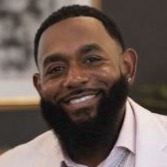 Keith Webb
 Joanna BellNovember 5, 2026 11:45 am
 Jackie Yusko
 Katrina Edmon
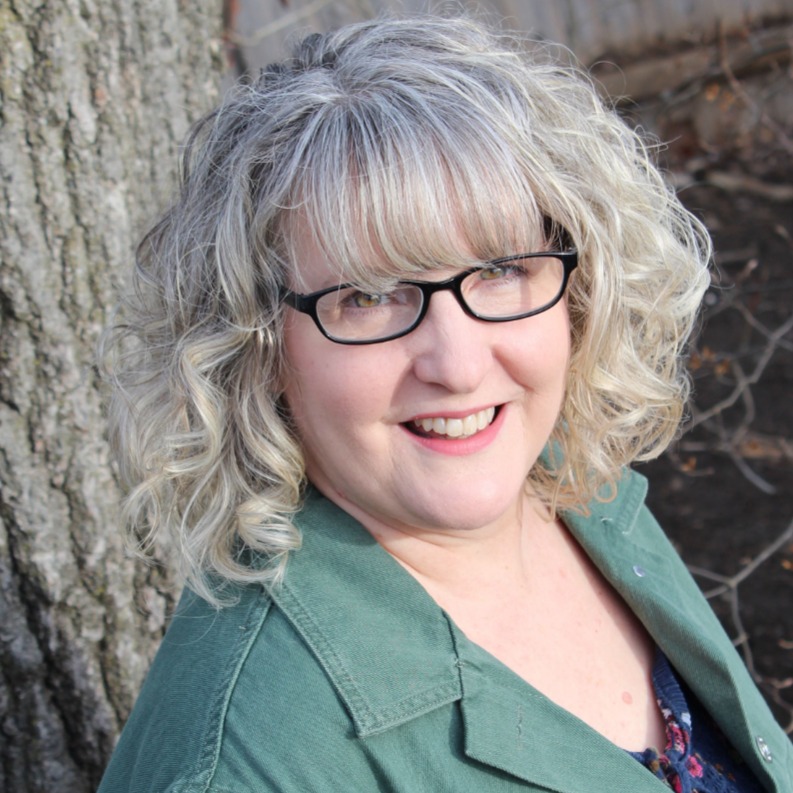 Michelle Smith-CarriganNovember 5, 2026 11:45 am
 Deb GetzNovember 5, 2026 12:45 pm
November 5, 2026 01:00 pm
In modern behavioral healthcare, the term “trauma-informed care” has been thrown around so loosely and so often, that it has lost most of its meaning. What do we all collectively mean when we say “trauma-informed care”? What does that mean to a front-line staff in a residential setting? It means compassion. In this plenary session, the team at New Hope Treatment Centers will walk us through how the seemingly simple act of compassion has the power to revolutionize your program, and the industry more broadly. Rooted in the science and studies of Dr. Stephen Trzeciak, best-selling author of “Compassionomics: The Revolutionary Scientific Evidence That Caring Makes a Difference”, this session will explore where residential interventions have been, where they are, and where they must go to get the best outcomes for youth and families. This promises to be informative, inspirational, active, and everyone will walk away with new ideas, new energy, and a new commitment to building a culture of compassion!
 Matt Simon
 Kiara Nalle
 Kim Hudson
 Lindsey MorganNovember 5, 2026 02:00 pm
November 5, 2026 02:15 pm
Fostering belonging and applying relational/trauma informed practice is essential, but alone not enough to empower young people.
Through actively applying the lessons learnt through Rites of Passage, Māori Wisdom, and Leading Several Educational Communities and Specialist Schools, I have begun to consider an ongoing question:
How can we foster engagement, independence and empowerment that is intrinsically motivated?
By using ancient wisdom, neuroscience and the context of our day to day realities, this presentation presents a simple framework, relevant and accessible for anyone to use. It will support as a tool for you, your teams and the young people you work with. To develop wellbeing, intrinsic motivation, empowerment, independence and a sense of hope for our youth and our communities in the future.
 Stephen EvansNovember 5, 2026 03:15 pm
November 5, 2026 03:30 pm
Join and engage our distinguished panel of experts in youth and family peer support and trauma-attuned residential interventions. The presenters will discuss current approaches to designing and implementing a trauma responsive admission experience that is youth centered and family driven. This one is not to be missed!
 Diane Lamond
 Delman "Myles" Williams
 Christina SackettNovember 5, 2026 04:30 pm
November 5, 2026 04:45 pm
Is Circle Practice a way to transform care? Circle is an Indigenous practice rooted in shared values, storytelling and ceremony. In work shaped by rapid response and crisis management, we can fall into surface-level understandings of one another that lead to conflict in high-stress situations. By slowing down, listening closely, and learning where each person is coming from and what they value, Circle can strengthen relationships and significantly improve community morale. This workshop will briefly introduce Circle Practice and explore the 15-year evolution of Restorative Circle Practice at The Home for Little Wanderers. A multidisciplinary team from New Hampshire will share recent experiences keeping Circles with youth and staff. Through candid stories about the fits and starts of their process, frontline staff will describe how they have integrated Circle Practice and adapted to barriers along the way.
 Audrey Bethel
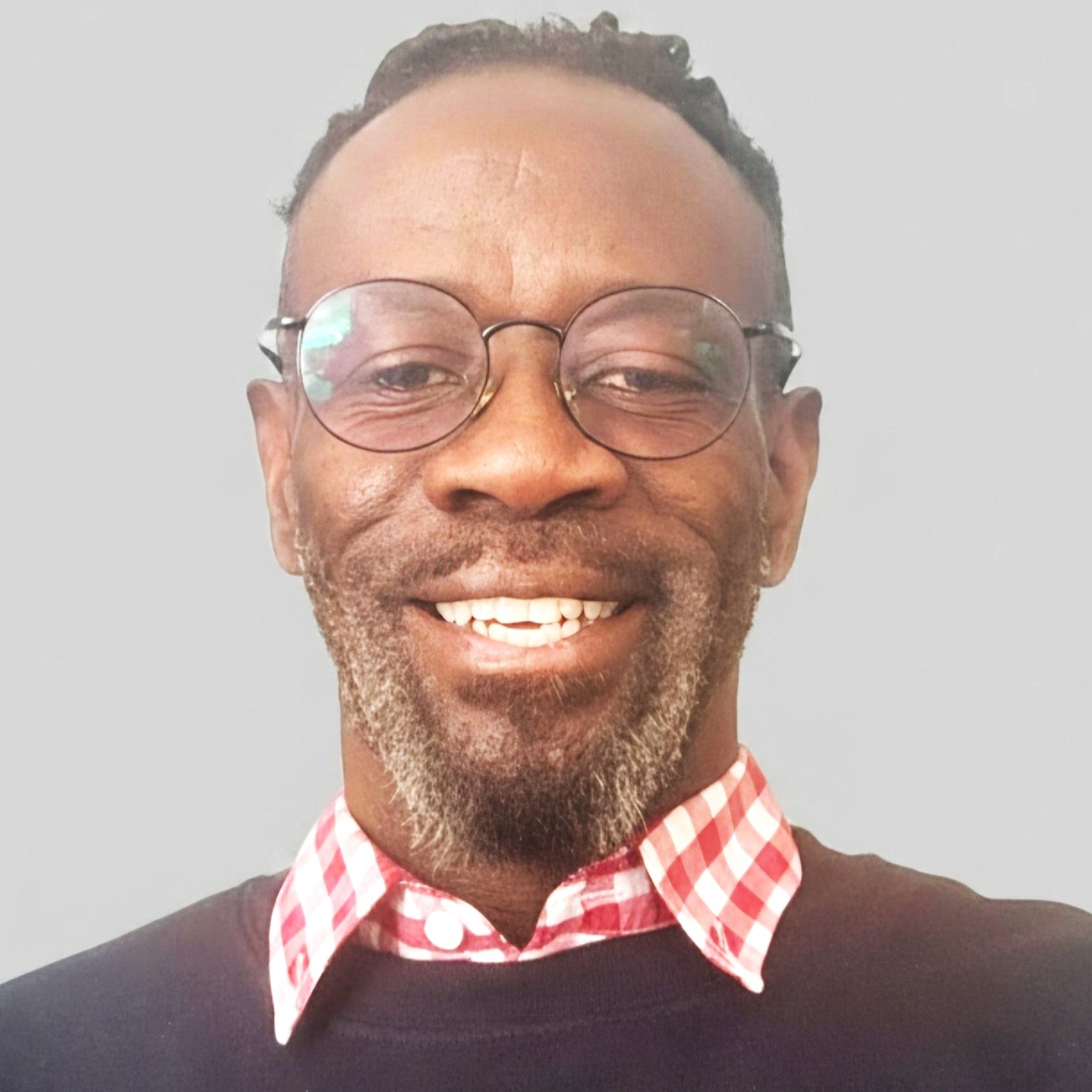 Femi Olawuyi
 Sharon Kibogy
 Naomi Ruth Thompson
 Elizabeth WoodruffNovember 5, 2026 05:45 pm
Jess LinickNovember 5, 2026 06:15 pm
This session explores trauma-informed, culturally responsive approaches to partnering with families. Drawing on 30 years of experience, the presenter shares practical tools to honor families’ values and strengths. Focusing on Latino families and fathers, participants will learn to build trust, reduce barriers, and create inclusive, healing-centered systems grounded in justice and authentic partnership.
 Amanda Quiroz-GuajardoNovember 5, 2026 06:15 pm
 Laurann Young
 Bryan Funk
 Jessica AgyekumNovember 5, 2026 06:15 pm
This presentation aims to provide a comprehensive introduction into the therapeutic framework behind using creative arts in mental health treatment. It will offer a beginner-friendly overview of expressive arts therapy that is digestible whether participants are new to the approach or have been practicing it for years. Attendees will learn ways that the Expressive Therapy Continuum (ETC) is integrated into existing clinical theoretical approaches, along with suggested activities that can then be added to their growing professional repertoire of clinical interventions.
 Kathleen BautistaNovember 5, 2026 06:15 pm
Direct care professionals spend their days caring for others while often managing responsibilities and challenges in their own lives. While we cannot control the experiences employees face outside of work, we can intentionally create workplaces that give them the best opportunity to succeed. This session explores how leaders and their Employee Assistance Program can partner to build a culture of support, respond effectively to personal and workplace challenges, and strengthen employees before they reach a crisis. Participants will learn practical strategies that foster trust, strengthen resilience, and create environments where staff feel supported and valued. The result is a healthier workforce, improved retention, and better outcomes for both employees and the people they serve.
 Megan AndrewsNovember 5, 2026 07:15 pm
November 5, 2026 07:30 pm
What if recruitment and retention were not simply workforce challenges, but essential elements of Strive Community Care’s therapeutic care model and Strategic Workforce Plan? At Strive, our workforce plays a vital role in delivering care. A skilled, engaged and values-aligned workforce enables consistent, relationship-based and trauma-informed practice, translating strategic priorities into safe and meaningful outcomes for children and young people.
In residential care, children and young people experience Strive through the frontline practitioners who show up each day. When practitioners are relational, culturally responsive, emotionally regulated, skilled and well supported, the workforce becomes part of the therapeutic intervention. Conversely, punitive, reactive or compliance-driven workplace cultures can affect safety, connection, stability and quality of care.
This engaging session explores Strive’s alternative approach to attracting, selecting and retaining direct care practitioners. Qualifications and experience remain important, but Strive also prioritises empathy, calmness under pressure, reliability, cultural humility, practical capability, emotional resilience and the capacity to build authentic relationships. Candidates must demonstrate that their judgement, conduct and commitment align with Strive’s values. The approach recognises lived experience, community knowledge and relational strengths, then deliberately builds practice capability through training, coaching and reflective supervision.
Participants will consider how reflective practice, psychological safety and learning-focused accountability can strengthen capability, engagement and retention more effectively than blame and punishment. This does not lower expectations for safety or professionalism; it creates the conditions for people to learn, take responsibility and consistently deliver the required standard of care.
Through practical examples, candid stories and interactive discussion, the presenters will connect People and Culture practice with trauma-informed care and everyday relationship quality. Attendees will examine why staff wellbeing, supervision and relational continuity are quality-of-care issues, and how leaders can support the people who hold children’s distress. Participants will leave with practical ideas and a simple challenge: stop hiring only for what people know, and intentionally build the workforce needed to provide care children and young people can trust.
 Ryan Dempsey
 Kitty Jeffreys
 Loku PriyanthaNovember 5, 2026 08:30 pm
November 5, 2026 09:00 pm
Across countries and systems, young people with multiple and intersecting needs are described as "complex," "high-acuity," "high-risk," "hard to place," and countless other labels. But what happens when the language we use locates complexity within young people rather than examining the experiences, relationships, environments, and systems surrounding them? Drawing on The Arches Foundation's recent publication and belief that the sector requires a contemporary, evidence- and trauma-informed understanding of complexity, this session invites participants to reconsider how we understand and talk about young people whose needs cross traditional service boundaries. Participants will explore how our definitions and assumptions influence practice and consider what changes when we look beyond labels to examine the relational and systemic factors contributing to complexity.
 Sarah MacLeish
 Darren GiddensNovember 5, 2026 09:00 pm
Supporting young people does not always begin with conversation. Sometimes it begins with creating spaces where they can simply exist without judgment or expectation. This workshop shares how 3Keys has used research, digital innovation, and youth voice to develop new approaches that respect young people's readiness, privacy, and autonomy while expanding pathways to trusted support. Participants will consider how these insights can inform practice across cultures and service settings.
 Takae MoriyamaNovember 5, 2026 10:00 pm
November 5, 2026 10:15 pm
Culture shapes how we understand ourselves, where we belong, how we experience adversity, and where we turn for healing. In this powerful international conversation, panelists will draw from diverse perspectives to explore the connections between identity, trauma, resilience, and growth, and examine what becomes possible when family, kinship, community, language, spirituality, and connection to place are recognized as essential foundations for well-being.
International Panel
Lisette Burton, Facilitator